
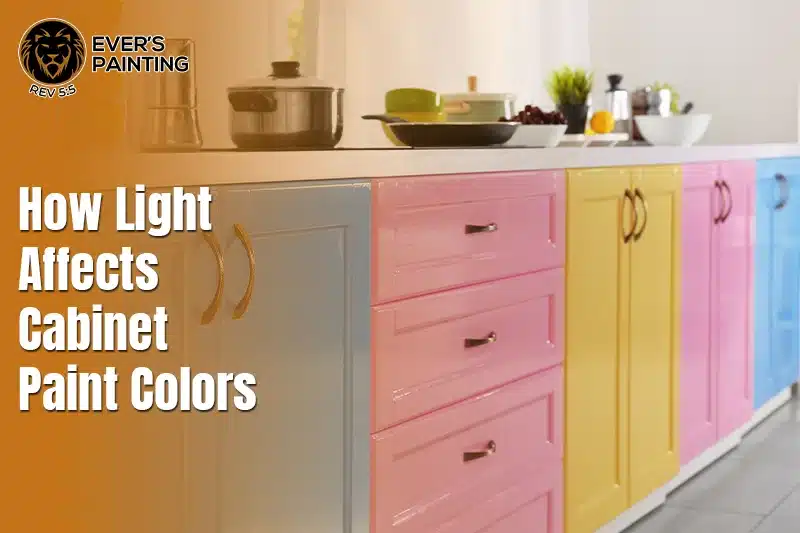
Light changes how we see every color in a home. Most people never realize how deeply how light affects paint color in every space. A tiny change in brightness can shift a soft white into a warm creamy tone. That same shade may feel cool during sunrise and glow with gold at sunset. It is why one color sample never looks the same in two rooms.
When sunlight touches a cabinet surface, it reflects the tone in many ways. The light may show a yellow tint or even a faint gray. That is the simple science behind color reflection. Paint holds stains that react to light and reflect it back in new shades. It is never random but a mix of nature and surface response.
In real kitchens, this effect becomes clear fast. Top light paint colors for homes show how light affects paint color and can decide if a room feels cozy or dull. Under bright white bulbs, blue cabinets look sharp. Under warm bulbs, they shift into teal tones. Each finish reacts in its own style. Glossy surfaces reflect more, while matte ones stay soft.
People often pick colors they saw online or in stores. Then they find the look feels off at home. It happens due to light angles and wall texture. So test samples under morning and night light before painting. This step saves time and regret. Good lighting and smart color choice build true beauty in any kitchen.
The Science of Light and Color Perception
How Light Interacts with Paint Pigments
Light does more than just make a space bright. It shapes how we see and feel color. Lighting and color perception begins when light waves hit a painted surface. Those waves mix with pigments inside the paint and bounce back toward our eyes. Each bounce changes how the color appears. That is why the same color looks different in various lights.
Natural sunlight spreads evenly, providing the truest view of a color. Soft morning light can make tones look cool and calm. In contrast, warm evening light can make the same shade feel rich and deep. This effect shows how how light changes paint appearance across the day. The science is simple yet powerful. Light carries energy, and that energy plays with pigment chemistry.
The Role of Reflection and Finish Type
Artificial light changes things even more. LED lights and glowing bulbs have different color warmth. Warm bulbs lift reds and yellows, while cool ones pull out blues and grays. Paint finish changes the feel too. Glossy paint reflects more light, making shades look vivid. Matte paint holds less light, keeping the tone calm and soft.
These effects explain why paint on a swatch often surprises on a wall. The reflection, absorption, and angle of light all shift what we see. When choosing colors, always test samples under several lights. Stand back and check during both day and night. This small habit helps avoid mismatch and ensures the right color tone every time.
Color Temperature and Light Source Types
Warm, Cool, and Daylight Bulbs Explained
Every light source brings its own color mood. The Kelvin scale helps explain this. Lower numbers mean warm light, while higher ones mean cool light. Candlelight or vintage bulbs sit around 2700K and give a cozy golden glow. Daylight bulbs reach near 5000K or more, showing color in a clearer tone. Understanding color temperature and paint helps you match your vision for the space.
Warm light softens paint and gives red, yellow, or beige tones a pleasant warmth. Cool light does the opposite. It sharpens blue, gray, or green tones, making them look crisp. Daylight bulbs strike a balance, often used in kitchens or studios for neutral color viewing. Each light type shifts how cabinet hues and undertones appear in daily life.
How Color Temperature Changes Cabinet Undertones
The same cabinet color can look creamy under one bulb and pale under another. That is how color temperature shifts what we see. Warm vs cool lighting paint tones can make or break the look of your kitchen. A cool white cabinet may gain a blue tint under daylight bulbs but appear softer under warm ones. That is why many designers suggest checking samples in different light setups before final choice.
CRI or Color Rendering Index adds another layer. It measures how accurately light shows true color. A bulb with a higher CRI (80 or above) makes paint shades look real and vivid. Lower CRI lights can dull or distort tones. So when lighting your kitchen, think about both temperature and CRI. Together they decide whether your cabinets shine bright or fall flat in everyday view.
Natural vs Artificial Lighting Effects
How Daylight and Bulbs Shape Cabinet Color
Light changes more than we notice. Morning sun feels cool and gentle, while evening light brings warmth. This daily shift shows how natural vs artificial lighting color affects the way cabinet paint appears. Natural light always tells the truth but keeps changing with the sky. On bright days colors shine. When clouds move in, they turn soft and calm.
Window direction matters as well. North light feels peaceful and cool. South light brings steady warmth. East light greets you with a clear morning touch.
West light fills rooms with a golden tone as the day ends. These shifts create new moods through the day and affect lighting and color perception in every space. Artificial lighting helps when daylight fades. LED bulbs can copy daylight or add warmth during night hours. The trick is to mix both well. Try viewing your cabinet samples in sunlight and under bulbs at night. Notice how shades change between them. A good blend of both light sources keeps colors steady. That balance makes your kitchen feel natural and welcoming every hour of the day. Painting your kitchen cabinets white with the right shades enhances this harmony and brings a warm, balanced glow to your space.
How Finish and Light Direction Affect Appearance
Matte vs Glossy Finishes Under Different Lighting
Every finish reacts differently to light. A matte surface absorbs more light and keeps colors soft and stable. Glossy paint reflects light, making shades more colorful and more vibrant. This simple contrast explains how light changes paint appearance across a kitchen. Soft light brings calm tones to matte paint, while strong overhead light gives glossy cabinets a vibrant look. Each finish define a unique story shaped by the light around it.
When you choose between matte and glossy paint, think about your kitchen’s looks in natural daylight. Matte feels right for calm, cozy spaces with soft daylight. Glossy shines best in bright rooms filled with direct sun. Glossy paint reflects more light and shows small marks, while matte covers them and keeps the look smooth.
Direction and Placement That Highlight Texture
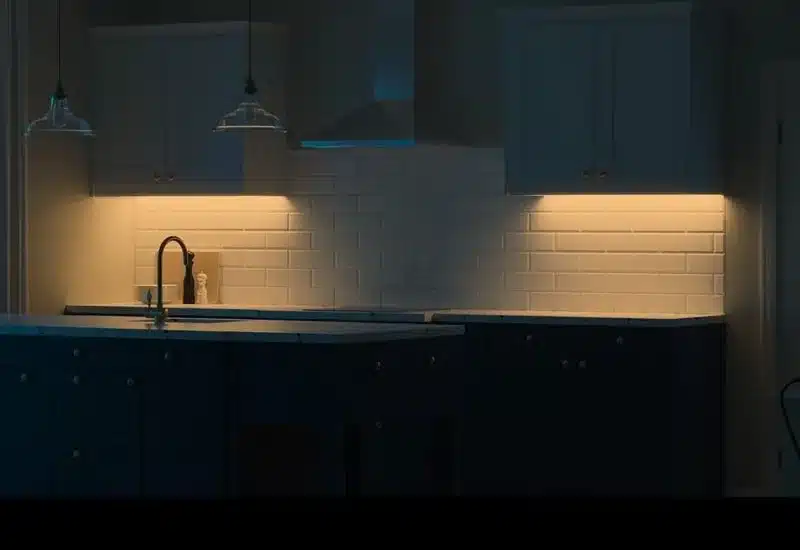
Light direction can turn flat colors into detailed surfaces. Under-cabinet lights bring out fine wood grains and texture. Overhead lights spread a smooth tone across large cabinet panels. These layers of light shape how we see depth and design. Cabinet paint color ideas often come alive when light hits at the right angle. Try adding soft side lighting near corners to add depth. Each shift in placement changes the mood and makes the kitchen look natural and warm.
Real Examples of Lighting Impact
White Cabinets and Shifting Light
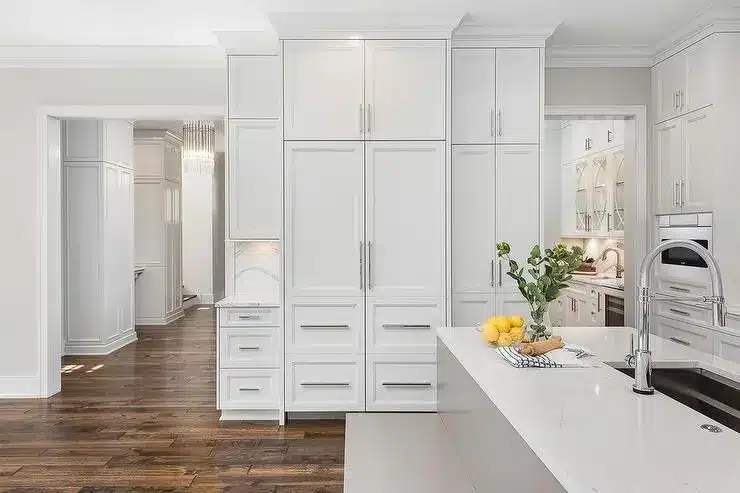
Even the simplest white cabinets change tone with light. In natural daylight, they look clean and crisp. But under warm bulbs, the same paint can appear yellow or beige. This happens because how light affects paint color depends on the light source and brightness. Cooler light makes a room feel fresh and clean. Warm light gives it a cozy and gentle tone. Many people see that their cabinets look one way in daylight and another in photos, which can be surprising. That is the true power of lighting in design.
Dark Cabinets Under LEDs
Dark cabinets tell another story. LED bulbs with cool tones often bring out blue or gray shades in dark paint. Under warm lighting, those same cabinets can appear rich and deep. The finish and light angle also matter. Warm vs cool lighting paint tones change the way shadows fall and colors blend. To see the real effect, test your samples under both warm and cool LEDs. You will notice how even small changes in light transform the mood. One shade can feel sleek at noon and cozy by evening. These real-life shifts show how lighting defines every detail in your kitchen.
Choosing the Right Cabinet Color for Your Lighting
Testing Paint Samples in Real Light
Choosing the right cabinet color starts with simple, hands-on testing. Look at paint samples in the same lights your kitchen uses every day. Check them in sunlight and under indoor bulbs to notice the changes. This shows how color temperature and paint truly behave in your space. A color that looks nice in a shop energy not feel the same at home. Watch how it changes in morning and evening light. Each hour brings its own look and feeling. Testing early helps you choose wisely and avoid mistakes later.
Matching Tones to Your Lighting Setup
After you notice how light changes color, choose tones carefully. Warm light pairs well with cream, beige, and soft brown shades. Cool light makes blue, gray, and green colors look clean and calm. The goal is to keep your tone balanced with your lighting setup. Avoid shades that change too much between light sources. This helps you find the best lighting for kitchen cabinets and keeps colors steady all day. A small sample board can help compare finishes and light levels. With the right mix of paint and lighting, your cabinets will stay bright and balanced in every view.
Common Mistakes When Choosing Cabinet Colors
Relying Only on Store Lighting
Many people pick paint after seeing it under store lights. That choice often leads to surprise later. Store lighting is usually brighter and cooler than home lighting. Colors that look clean there can feel dull or tinted once painted. To see the real tone, test your samples in your kitchen. This helps you understand how lighting and color perception works in your own space. View each color under both daylight and indoor light before you decide.
Ignoring Undertones and Bulb Temperature
It is easy to forget how undertones and bulb warmth affect paint. Even small light changes can shift the color you see. A cool bulb might make beige turn gray. A warm bulb can make white look yellow. These changes show how light changes paint appearance from one room to another. Using only one bulb type can throw off your color balance. Try mixing warm, cool, and daylight bulbs for a natural look. Paying attention to undertones and light angles helps your cabinets keep the shade you want.
Conclusion
Lighting decides how paint colors truly appear. It can turn soft tones into warm ones or make bright shades look cool. Every kitchen tells its story through light. That is why testing is so important before painting. How light affects paint color is not a theory but a real effect you can see daily. Think about the light temperature, direction, and finish when planning your design.
A glossy surface may shine under direct light, while matte paint feels calm and smooth. Natural and artificial lights both shape how each shade looks at different hours. Pay attention to where your main light sources come from. This helps colors stay balanced through the day. In the end, your light decides the final look, not just the paint. Testing samples with Evers Painting helps you understand lighting and color perception and gives your kitchen the result you hoped for.
FAQs
Yes. LED lights come in different color tones that change how paint looks. Cool LEDs bring out blue and gray tones. Warm ones make whites and creams look softer. This explains how light affects paint color in your home. Pick LEDs with a high CRI score to keep colors real.
Soft tones like light beige, pale gray, or creamy white work best. These shades bounce light and make the kitchen feel open. Dark colors soak up light and can make the space feel smaller.
If your cabinets look yellow, switch to neutral or cool bulbs. These keep colors steady and bright. Clean lights often to stop dust from changing how light spreads.
Yes, daylight bulbs help you see true colors. They make cabinets look sharp and natural. Many designers say daylight bulbs give the best lighting for kitchen cabinets and keep tones steady all day.