

A busy home needs paint that stands up to daily use. Kids touch walls and pets move around often. Low VOC paint helps reduce strong smells and keeps indoor air lighter. One parent painted a hallway and noticed fewer scuff marks after using a stronger finish with better wash ability.
Durable options also make cleaning easier during the week. Marks from shoes or toys can be wiped without damage. This saves time and reduces repainting needs. Many families now choose eco-friendly paint options for indoor use that offer strength and simple care for everyday living.
Understanding VOC Levels in Simple Terms

VOCs are gases that are released from some paints as it dries. These can affect indoor air and create a strong smell. Many people notice discomfort during painting. Low VOC paint reduces these gases and helps create a cleaner indoor space. One parent painted a room and noticed less odor during and after use.
High VOC paint releases more gases and has a stronger smell. This can stay in rooms for a longer time. Low-level options release fewer gases and feel lighter indoors. Many families choose these for better comfort. This helps rooms feel ready sooner for normal daily use.
Why Durability Matters in Family Spaces
Walls in family homes face daily wear from normal life. Kids touch surfaces and pets brush against corners often. Marks appear fast in busy areas like hallways and living rooms. One parent noticed dark scuffs near doorways within weeks. Strong finishes help reduce damage and keep walls looking clean for longer periods, especially when using techniques like smart trim painting.
Durable paint also saves time and effort in daily care. Frequent repainting can be costly and tiring for families. This is why many choose non-toxic paint for homes with kids and pets that also resists stains well. A good finish supports easy cleaning and helps maintain a neat home.
Best Finishes for Low Mess Maintenance
Finish type affects how easy it is to clean walls. Some finishes resist stains better than others. Many families prefer eco-friendly paint options for indoor use that also allow simple cleaning. Choosing the right finish helps reduce daily effort and keeps rooms fresh.
Satin Finish for High Traffic Areas
Satin finish works well in hallways and playrooms. It handles frequent cleaning and resists stains better. One family used satin in a kids’ room and found it easier to wipe marks.
Eggshell Finish for Balanced Look
Eggshell gives a soft look with better clean ability than flat paint. It works well in bedrooms and living spaces where both style and durability matter.
Semi-Gloss for Moisture Areas
Semi-gloss suits kitchens and bathrooms. It resists moisture and grease well. Many choose it for areas that need frequent cleaning.
Key Features to Look for in Safe Interior Paint
Paint should offer more than color. It should support safety and ease of use. Many buyers now check for safe interior paint features before buying. This helps reduce issues after painting and supports better indoor comfort.
Washable and Scrubbable Surfaces
Look for paint that allows easy cleaning. This helps remove stains without damage. One parent used washable paint and saved time on wall cleaning.
Scuff Resistant Formulas
Some paints resist marks from shoes or bags. These formulas help walls stay clean longer. This is useful in busy areas.
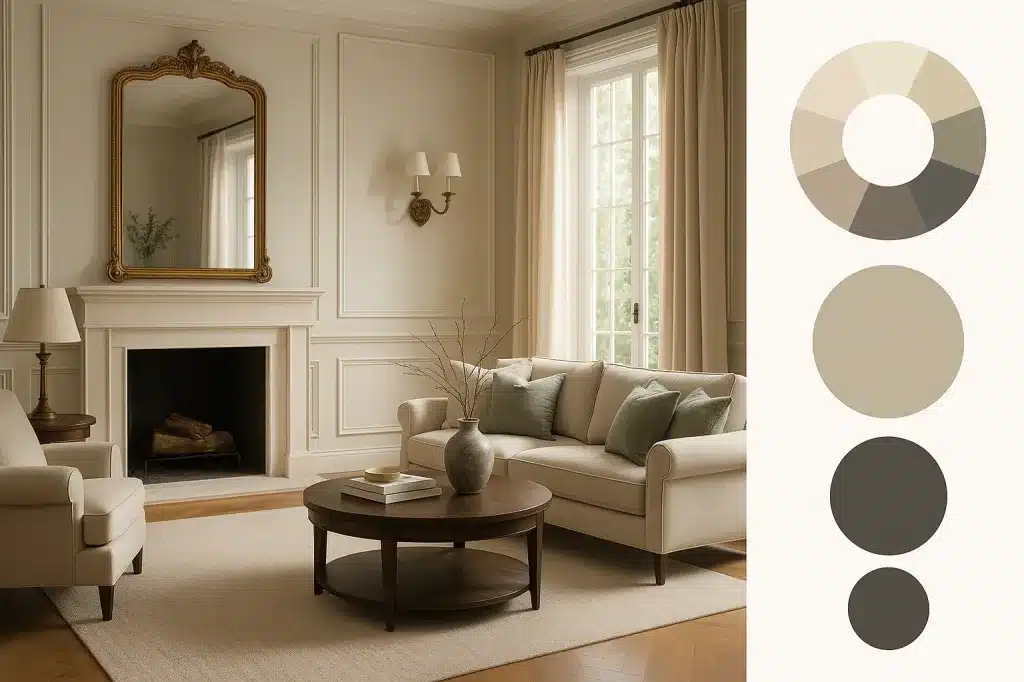
Low Odor and Clean Air Support
Low odor paint helps rooms feel fresh during and after painting. Many families prefer low-odor interior paint for bedrooms to reduce discomfort.
Room-by-Room Paint Strategy for Families
Each room has different needs based on use. Choosing the right paint type for each space improves results. Many people look for safe, low-VOC paint for house painting that fits each room well.
Hallways and Entry Areas
These spaces face heavy use every day. Durable finishes help reduce marks and wear. One homeowner used a strong finish and noticed fewer stains.
Kitchens and Bathrooms
Moisture and grease are common here. Paint that resists water and stains works best. This keeps walls clean with less effort.
Bedrooms and Living Areas
Bedrooms need a calm and fresh feel. Living rooms need a balance of style and strength. Choosing the best low-VOC paint for interior walls helps maintain comfort and appearance.
Color Choices That Hide Daily Mess
Color plays a role in how clean walls look over time. Some shades hide marks better than others. Choosing the right tone helps reduce visible stains and saves cleaning time.
Mid Tone Colors for Balance
Warm neutrals and soft grays hide marks well. These shades work in most rooms and stay fresh longer.
Light and Dark Color Tips
Light colors make rooms feel bigger, but show stains more. Dark colors hide dirt but show dust. Picking the right balance helps manage daily cleaning needs.
How Low VOC Paint Improves Indoor Air
Paint can release gases that affect how a room feels. Low VOC paint lowers these emissions and keeps the air lighter. One family painted a living room and noticed less smell during drying. The space felt more comfortable the same day and needed less airing out after the job.
Cleaner air helps daily comfort for kids and pets at home. These options also reduce strong fumes that linger in rooms. Many people choose non-toxic paint and safe interior paint for this reason. Over time, this choice supports a fresher space that feels ready for normal use.
Step-by-Step Guide to Painting a Busy Family Home Safely
Painting in a busy home needs a simple plan and safe steps. safe low VOC paint for house painting helps reduce strong smells and keeps the air comfortable. One parent painted a kid’s room and finished the job without a heavy odor. Proper steps make the process smooth and help avoid a mess during and after work, similar to maintaining easy deck care for long-term protection and cleanliness.
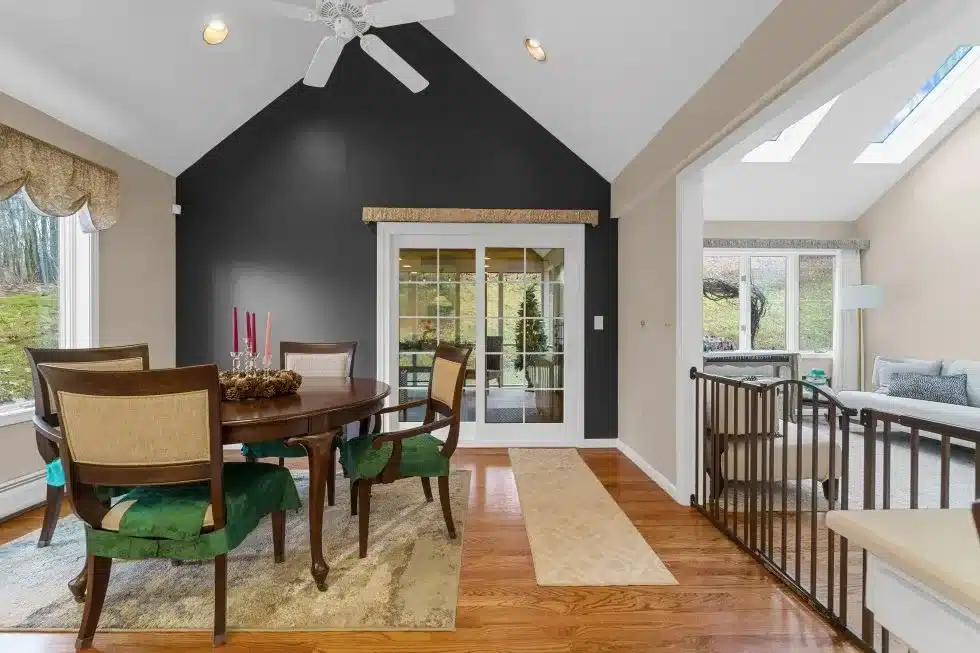
Step 1: Prepare the Room Properly
Start by moving or covering furniture before painting begins. Use sheets to protect floors and items from drops. One homeowner skipped this step and faced stains on the carpet. Proper setup saves time and avoids damage.
Step 2: Select the right paint type
Choose paint that suits your home’s needs and daily use. Many people prefer low-VOC paint for better comfort indoors. This choice supports cleaner air and safer use around kids and pets.
Step 3: Ensure Proper Ventilation
Keep windows open during painting to allow fresh air flow. Good air movement helps reduce smell and supports safer work conditions. This also helps paint dry better.
Step 4: Apply Paint in Thin Layers
Use thin coats instead of thick layers for a smooth finish. This helps paint dry evenly and prevents marks. One family saw better results after using two light coats.
Step 5: Let the paint dry properly
Allow enough time for the paint to dry before using the room. Rushing can damage the finish and leave marks. Eco-friendly paint often dries faster, but still needs proper time for the best results.
Safe Interior Paint for Long-Term Home Protection
A home needs paint that lasts through daily use and cleaning. Safe interior paint supports both comfort and durability for families. One parent painted a living room and noticed fewer stains after months of use. Strong finishes help walls stay clean and reduce the need for frequent repainting in busy spaces.
Durable paint also resists marks from daily activities like shoes and toys. Many options offer better washability and keep the color looking fresh longer. Choosing low-VOC paint and non-toxic paint helps support safer indoor air. This also makes the home feel more comfortable for long-term daily living.
Low Odor Paint for Bedrooms and Living Spaces
Painting can leave a strong smell that affects comfort at home. Low odor interior paint for bedrooms helps reduce this issue during and after work. One parent painted a child’s room and noticed less smell the same day. This made it easier to use the room without a long waiting time.
These paints support a calm and fresh indoor feel for daily life. Many people choose low-odor paint when updating living areas quickly. This option also helps those who feel sensitive to strong smells. Using low VOC paint adds extra comfort and keeps the space ready for normal use sooner.
Common Mistakes People Make When Choosing Paint
Picking paint can feel simple, but small mistakes cause big issues later. Many buyers focus on color and ignore key factors. Low-VOC paint works best when chosen with care and clear checks. Avoiding common errors helps you get better results and keeps your home comfortable after painting, just like using proper fence coating methods helps ensure long-lasting protection.
- Ignoring VOC level labels
Some people skip reading labels and face a strong smell later. One homeowner painted a bedroom and had to air it for days. Checking labels helps avoid this issue. - Choosing only based on price.
Cheap options may not last long or clean well. This can lead to repainting sooner. Spending a little more often gives better long-term value. - Not checking room-specific needs.
Each room needs a different finish and strength. Kitchens need durable paint, while bedrooms need low odor options. Matching paint with use improves results. - Skipping sample testing
Colors may look different on the walls than in the store. Testing a small area helps you see real results. This also helps confirm eco-friendly paint choices before full use.
Why Non-Toxic Paint Is Important for Kids and Pets
Families want a home that feels safe during and after painting. Non-toxic paint for homes with kids and pets helps reduce harsh fumes indoors. One parent painted a playroom and noticed less smell during drying. The room felt ready sooner for normal use and daily activity.
These paints also support comfort for people with sensitivities. Strong odors can affect sleep and daily routine. Choosing non-toxic paint and safe interior paint helps create a calm space. This makes play areas and living rooms feel better for kids and pets every day.

Final Thoughts
Choosing the right paint affects daily comfort at home. Low VOC paint helps reduce strong smells and supports cleaner indoor air. One family painted a living room and used it the same day without discomfort. This shows how modern paint options fit busy routines and support better living spaces.
Families now prefer safer and eco-friendly solutions for home updates. These options support long-term comfort and reduce repainting needs. A good paint choice also saves time on cleaning and maintenance. This makes it a smart option for homes with kids, pets, and active daily use, and trusted services like Evers Painting help ensure better quality and lasting results.
FAQS
The best low VOC paint for interior walls offers low smell, a strong finish, and easy cleaning. One homeowner chose a washable option and saw fewer stains over time.
Yes, non-toxic paint for homes with kids and pets helps reduce harsh fumes. One parent used it in a playroom and noticed better comfort during daily use.
Eco friendly paint options for indoor use include plant-based or water-based formulas. These help reduce odor and support better indoor comfort during painting projects.
Low odor interior paint for bedrooms releases fewer fumes during drying. This helps rooms feel ready sooner and improves comfort for sleep after painting is complete.
Safe, low-VOC paint for house painting is worth it for families. It reduces smell, supports better air, and helps create a comfortable living space long term.