
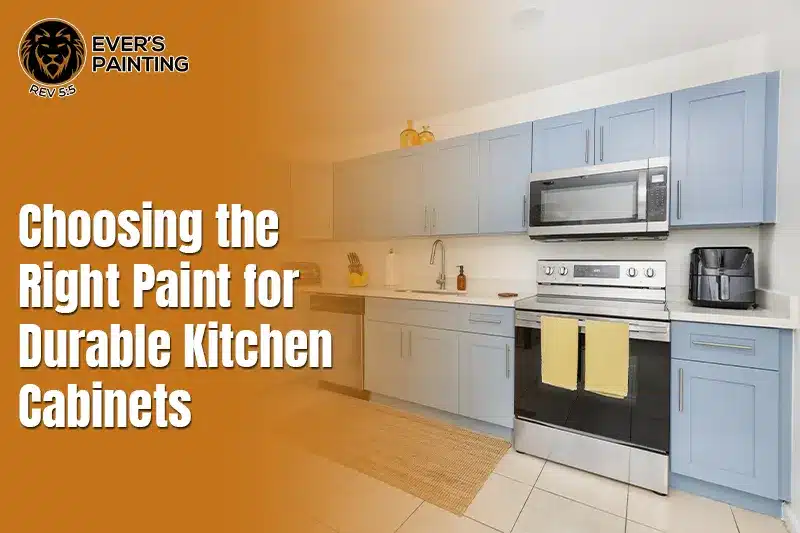
Old kitchen cabinets can lose color fast and look tired. Many homeowners search for the best paint for kitchen cabinets when they want a strong and clean finish that lasts in daily use. Choice of paint affects shine strength and long life, especially in busy homes where cooking steam and grease build up each day. One family saw peeling paint after six months from the wrong product choice used
Good results come from understanding surface needs and kitchen usage patterns first. Homeowners often compare the best durable paint options for wooden kitchen cabinets and enamel cabinet paint for a strong finish and long life. Many also check kitchen paint finish options and cabinet paint types to match shine and cleaning needs in real homes, where kids and cooking create daily wear, like a a rental kitchen repaint case.
Understanding Kitchen Cabinet Paint Selection Guide

Choosing paint for cabinets changes the kitchen’s’s look. Many homeowners search best paint for kitchen cabinets for a strong finish. Paint quality impacts durability and home appearance daily. Wrong cabinet paint types cause peeling and weak surfaces. Wall paint fails because cabinets need a stronger coating. Now lets see kitchen paint finish options and a full guide ahead. Stay focused on clear steps next. Good choices also include cabinet painting benefits like longer surface life, easier maintenance, and better protection against heat and moisture.
One homeowner used wall paint on cabinets. It started peeling in a busy kitchen. Correct cabinet paint types prevent early damage. Choosing kitchen paint finish options improves cleaning ease. Best durable paint options for wooden kitchen cabinets help. How to choose paint for professional cabinet refinishing depends on use and moisture levels. Now, let’s see simple, safe choices for homes
Why Paint Choice Matters For Kitchen Cabinet Durability
Paint choice affects how long cabinets stay strong. A good finish protects surfaces from daily heat and moisture. Many homes face steam from cooking and small spills. Now let’s see how durable kitchen paint helps reduce damage and keeps surfaces steady. Weak paint often breaks down faster in busy kitchens.
Cabinet life depends on coating strength and grip. Strong wood cabinet paint bonds better with the surface and stops early peeling. Now you might notice cheap paint fades fast under heat. Good cabinet paint types hold color longer and resist stains. This means less repair work and fewer repaints over time.
Exploring Cabinet Paint Types for Long-a Long-Lastingsh
Different paint choices change how cabinets look and last. Many homeowners compare cabinet paint types before starting work. Now lets see how each option affects strength, shine, and daily use in real kitchens with heat, moisture, and cleaning needs.
Water-Based Paint Benefits For Kitchen Cabinets
Water-based paint dries fast and gives low smell during work. It is easy to clean and safer for indoor use. Many homes pick it for quick projects. A small family kitchen used it during a weekend update and saw a smooth finish with less drying time and easy touch-up later.
Oil-Based Paint Strength and Long-Term Performance
Oil-based paint gives a strong grip and a hard surface for heavy-use areas. It works well where heat and grease are high. Many experts use enamel cabinet paint in this type for a strong shine. One busy cooking home used it and noticed less chipping even after daily cleaning and long use. This durability is often compared to outdoor durability needs like painted fence life, where surfaces must resist weather, moisture, and long-term wear.
Comparing Enamel and Wood-Based Paint For Cabinets
Enamel and wood paint work in different ways for kitchen use. Many people search for the best paint for kitchen cabinets when they want long life and smooth shine. Now let’s see how each type handles hot water and daily touch in real home use with simple, clear points.
Enamel Cabinet Paint Features For Strong Finish
Enamel cabinet paint gives a hard surface that resists marks and stains. It works well in busy kitchens with heat and oil in air. A small home kitchen used it during the remodel and saw fewer scratches even after daily wiping and heavy cooking use over time, without dull spots.
Wood Cabinet Paint Fit And Natural Bond
Wood cabinet paint is made for natural surfaces. It grips wood grain well and keeps the texture smooth. One old wooden kitchen used this paint and kept a soft look with steady color. It needs care but gives a warm finish that many homes prefer for classic-style cabinets.
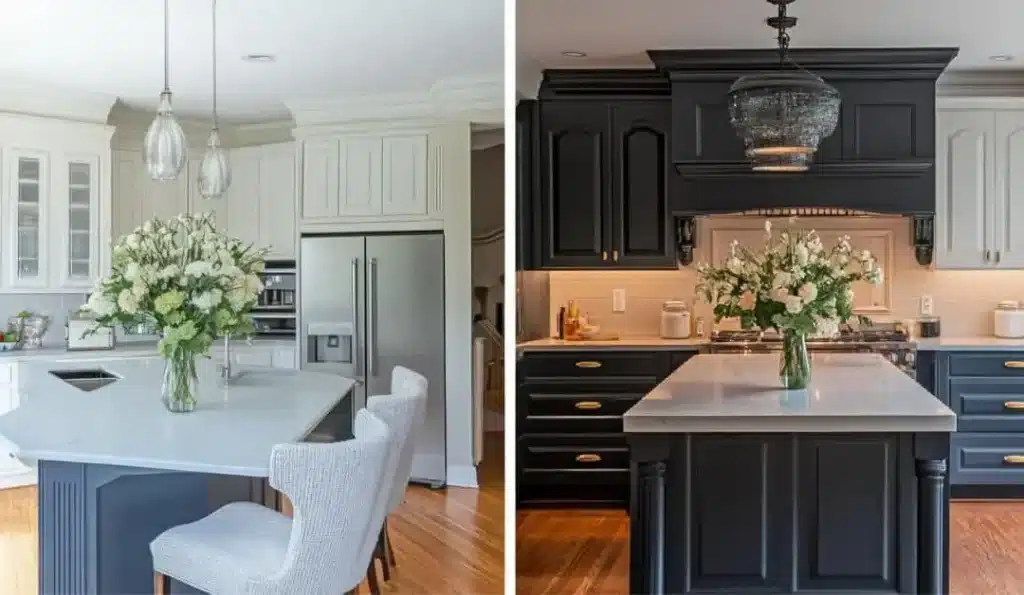
Understanding Kitchen Paint Finish Options And Effects
Different finish styles change how cabinets look and last. Many homeowners check kitchen paint finish options before the final choice. Now lets see the key factors that affect light feel and cleaning in real kitchen spaces with a simple and clear understanding.
Finish Impact On Daily Cleaning
Finish level changes how easy cabinets are to clean. Smooth finishes wipe faster, while soft ones hide marks better. A busy home kitchen with kids noticed matte surfaces kept fingerprints low but needed gentle cleaning. This shows how the finish choice affects daily effort and care needs.
Finish Effect On Kitchen Lighting
Shiny finishes reflect more light in small kitchens. Soft finishes create a calm and warm look. One small apartment kitchen used light gloss and felt brighter during evening cooking. This shows how finish can change the room mood and space feel without changing the layout or design.
Finish Strength And Surface Protection
Some finishes protect better against scratches and stains. Durable kitchen paint often performs better in satin or gloss form. A rental kitchen used a satin finish and saw less wear from constant use. This helps reduce repair work and keeps cabinets in a stable condition for a longer time.
Match Finish With Interior Style
Finish must match the home design style for a balanced look. Modern kitchens often use a smooth shine, while classic ones use a soft tone. Now, let’s see how cabinet paint types connect with finish choice for better harmony between color strength and room design flow.
Matte Finish Look And Maintenance Considerations
A matte finish gives a soft and calm surface with low shine. It hides small marks well but needs careful cleaning. One family kitchen used mattes and liked the natural look but noticed stains needed gentle wiping. It fits a calm design but not heavy cooking spaces with high oil exposure.
Gloss And Satin Finish Durability Comparison
Gloss and satin finishes give stronger surface protection. They reflect light and resist stains better than mattes. A small home kitchen uses a satin finish and is easy to clean after cooking. Gloss shows more shine and works well where strong light and long-lasting surface strength are needed daily.
Proper Wood Cabinet Preparation Before Painting Work
Clean prep decides final look. Many homes use wood cabinet paint but skip deep cleaning. Grease blocks grip, and paint fails early. Now, let’s see how simple washing and sanding help a strong base. One kitchen had sticky doors from oil buildup. After cleaning and sanding, the paint stayed smooth and strong for long-term use.
Good prep also improves finish life. Durable kitchen paint sticks better on a smooth base. Light sanding removes the old coat and rough spots. Primer helps seal wood and stops stains. Many people skip this step and face peeling. One home repaint failed fast due to no primer. Careful prep avoids this issue and supports long-lasting surface strength.
Step-by-Step Professional Cabinet Painting Workflow
Cabinet painting follows a clear order. Each step supports a strong finish and long use. Many people search for the best paint for kitchen cabinets, but the process is just as important. Now let’s see each step in simple form with a real workflow from start to final result in busy kitchens.
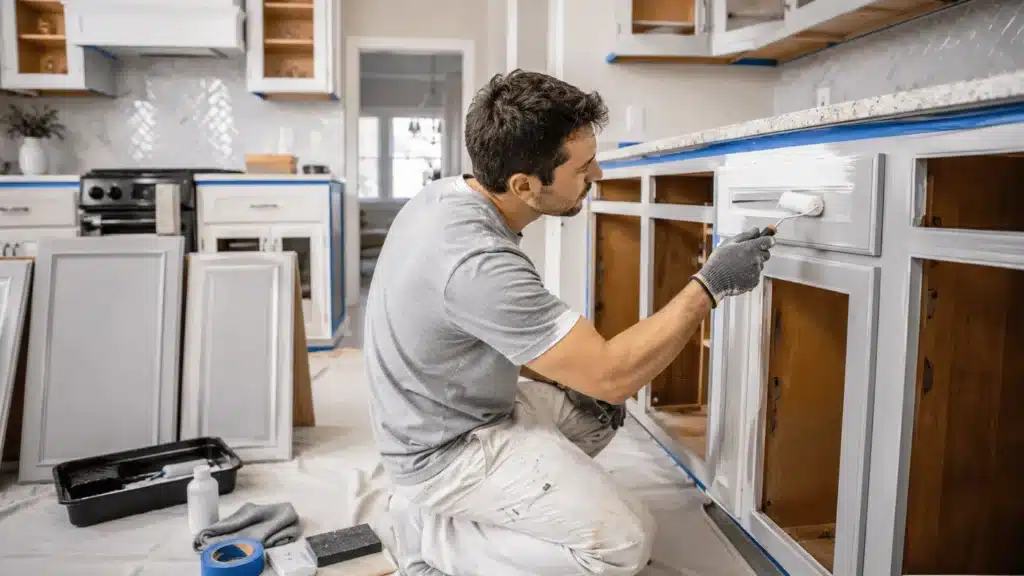
Step 1: Initial consultation or request
This is the first contact stage. Homeowners share needs and cabinet condition. Clear talk helps set the right plan and avoids wrong expectations before work begins. Many professionals offering interior painting services also include cabinet consultations to match color, finish, and durability needs across the home.
Step 2: Property assessment and planning
Experts visit or review cabinets closely. They check for damage, grease, and old layers. A plan is made for repair, paint, and time.
Step 3: Sorting and removal process
Cabinet doors and parts are removed and labeled. This keeps work organized and safe. One kitchen project avoided mix-ups by careful sorting. It helps smooth workflow and allows better access for sanding and painting each piece with full control. In advanced projects, custom cabinet painting ensures each door and panel is handled with tailored design and precise finishing for a premium look.
Step 4: Cleaning and final walkthrough
All surfaces are cleaned of oil and dust. This step is key for strong grip. Wood cabinet paint needs a clean base to bond well. Final check ensures no grease spots remain. This prevents early peeling and improves finish quality over time.
Step 5: Responsible disposal, donation, or recycling
Old materials and waste are handled properly. Some usable parts may be donated or reused. This step keeps work clean and responsible. It also ensures the job site stays safe and free from leftover debris after project completion.
Surface Inspection And Preparation Planning Phase
Experts inspect every cabinet for cracks, stains, and loose parts. They decide on sanding and repair needs. In one kitchen grease buildup was heavy, so deep cleaning was planned first. This stage helps cabinet paint types stick better and supports a long-lasting finish without early damage or peeling issues later.
Final Coating And Professional Quality Check
Final coating is applied in smooth, even layers. Painters check the shine edges and full coverage. Cabinet paint types must look balanced on all surfaces. In one project, an uneven tone appeared first, but the final correction fixed it. This ensures wood cabinet paint looks clean, strong, and ready for daily use.
Tools And Materials Used In Professional Cabinet Painting
Cabinet work needs the right tools for a clean finish. Many homeowners compare kitchen paint finish options before starting work. Now let’s see tools that help smooth coating and a strong surface in real kitchen projects with safe and steady results for daily use and long-life finish work.
Spray Painting Equipment And Application Methods
Spray tools give an even layer on cabinets with fewer marks. Experts use steady motion for a smooth coat. Enamel cabinet paint works well with the spray method. One kitchen update showed faster work and a clean finish. This method helps reduce brush lines and gives a soft and uniform surface look overall.
Protective Gear And Surface Masking Tools
Safety gear keeps workers safe during a paint job. Masks, gloves, and covers protect skin and air. Tape and sheets protect floors and walls. Wood cabinet paint can spread dust, so masking is key. One home project stayed clean because full covering was done before painting started and work began.
Factors That Improve Kitchen Cabinet Paint Durability
Good cabinet paint lasts longer when the process is done right. Many homeowners choose durable kitchen paint, but still face early wear. Now let’s see simple factors that help paint stay strong in daily kitchen use with heat, moisture, and constant cleaning over time. Some professionals from exterior painting services also apply similar durability techniques to protect surfaces from harsh conditions and extend overall coating life.
- Strong surface cleaning removes grease and improves grip
- Proper sanding helps cabinet paint types bond better
- The primer layer seals the wood and blocks stains from rising
- Even coating gives a smooth finish and steady color
- Correct drying time avoids cracks and weak spots
- Good ventilation helps the kitchen paint finish options. cure well
- Multiple thin layers last longer than one thick coat
- Heat and moisture control improve long-term strength
- Quality materials reduce peeling and surface damage risk
- Careful application improves shine and surface life overall
Cost And Time Planning For Cabinet Painting Projects
Planning matters before any paint work starts. Many homeowners search for the best paint for kitchen cabinets but ignore time and cost details. Now lets see how the budget and timeline change based on material choice, labor, and finish needs. One kitchen repaint took longer because old layers needed full removal and repair work before new paint started.
Good planning helps avoid extra cost stress. Durable kitchen paint and wood cabinet paint choices affect the price range. A high-quality finish needs more steps and time. One family chose low-budget paint and faced early peeling, then paid again for repair. Careful planning helps balance cost, time, and long-lasting results for daily kitchen use.
Factors That Influence Total Project Cost
Total cost depends on paint type, surface condition, and labor effort. Cabinet paint types with a premium finish cost more but last longer. Damaged cabinets need repair before painting. One project increased cost due to heavy grease, cleaning, and sanding. Choosing the right materials early helps control the budget and reduce extra work later.
Time Required For Professional Cabinet Finishing
Time depends on prep, drying, and coating stages. Durable kitchen paint needs proper curing for a strong finish. Most projects take a few days to complete. One kitchen took extra time due to humidity affecting drying speed. Careful scheduling helps avoid rush work and ensures a smooth, long-lasting cabinet finish overall.
Final Thoughts On Choosing The Right Cabinet Paint
Choosing paint for cabinets shapes both look and life. Many homeowners focus on the best paint for kitchen cabinets, but forget about the daily use needs. Now let’s see how the right choice improves strength and design in real kitchens with heat and cleaning stress over time. Good planning gives better results and fewer repair needs later with Evers Painting.
Good choices in durable kitchen paint and wood cabinet paint help cabinets stay strong and clean. Cabinet paint types and proper finish also change the final result. Many people see better value when work is done with care or expert help. DIY can work, but mistakes cost more later. Careful choice brings long-lasting kitchen beauty and steady daily performance.
Common Questions About Kitchen Cabinet Paint Selection
High-quality enamel cabinet paint lasts the longest. It forms a hard layer that resists heat and stains. One busy home kitchen used it and saw less wear, even after daily cooking and cleaning over many months of use.
Yes, enamel cabinet paint is strong for cabinets. It gives a smooth shine and a strong surface grip. Many kitchens use it because it handles moisture and heat better than basic wall paint.
Yes, primer is important for a better grip. It helps durable kitchen paint stick to the surface. One project without primer started peeling early. Primer prevents this issue and improves long-term strength.
Gloss and satin finishes are easiest to clean. Kitchen paint finishes with shine, resists stains, and wipes easily. A small kitchen used a satin finish and found quick cleaning after cooking oil splashes.
Landing is needed for the best results. It helps wood cabinet paint bond well. Without sanding, paint may not stick properly. One cabinet job failed early due to a skipped sanding step.