

Many people buy a sprayer and feel lost at first. They press the trigger, and paint runs everywhere. The wall looks patchy. The floor gets more paint than the wall. This problem starts when basic steps are skipped. When you learn how to use a paint sprayer the right way, the job feels easier. Work moves faster, and stress stays low. Once you understand how to use a paint sprayer, the paint lays smooth on the surface. Even new users get good results with a few simple habits.
I learned this tool during long home paint jobs. Early mistakes taught me what really works. Good prep and calm hand control fix most spray problems. Small habits also stop waste and messy overspray. This guide shares clear paint sprayer techniques for beginners. You will learn setup, spray control, and safe work steps. By the end, you can spray walls, doors, and furniture with calm control.
Types of Paint Sprayers and Their Uses
Paint sprayers come in a few common types. Each type works best for a certain job. Many new users learn how to use a paint sprayer after they know these tools. The right sprayer makes work faster and cleaner.
Airless Sprayers
Airless sprayers push paint with strong pressure. The gun sends paint through a tiny tip. This tool covers large walls fast. Pros often use it on house siding and big fences. Many painters follow airless sprayer tips for using a paint sprayer efficiently with this type.
HVLP Sprayers
HVLP means high volume low pressure. This sprayer gives a soft and steady paint flow. The finish looks smooth and neat. Many people use it for cabinet doors and small decor items.
Compressed Air Sprayers
Compressed air sprayers use air from a small tank. The air mixes with paint inside the gun. This style works well for trim work and detail jobs. Careful setup helps when you learn how to use a paint sprayer.
Choosing the Right Sprayer
Think about the size of the project first. Small items need gentle spray control. Large walls need strong, fast coverage. Good planning also supports tips for using a paint sprayer efficiently.
Preparing Surfaces for Spray Painting
Good prep makes spray work look clean and even which also affects light color perception. Many new users rush through this stage. That mistake leads to rough coats and weak paint grip. Learning how to use a paint sprayer also means learning surface prep. These early steps support strong paint sprayer techniques for beginners.
Cleaning, Sanding, and Priming Surfaces
Start with a clean surface. Dust and grease block paint from bonding well. Wash the area with mild soap and water. Let it dry before sanding. Light sanding smooths the base and helps paint grip better. Many pros say prep matters more than spraying.
Masking Areas to Stop Overspray
Spray paint spreads wider than most people expect. Cover floors, trim, and glass with a drop cloth or tape. Good masking saves a long cleanup later. This simple habit also helps beginners feel more in control.
Keeping the Space Dust Free
Dust in the air can ruin a fresh coat. Close doors and limit movement near the work area. Wipe surfaces before spraying. Clean air helps paint sprayer techniques for beginners give smoother results.
Paint Selection and Sprayer Settings
Paint choice affects how smooth the coat will look. Thick paint can clog the tip. Thin paint may drip on the wall. When you learn how to use a paint sprayer, you must check the paint flow first. This step helps new users avoid many early spray problems.
Spray Setup and Test Pass
Pick a tip that fits the job size. Wide tips cover walls fast. Small tips suit trim and small items. Set the spray power low at first. Raise the power if the fan looks weak. Many pros follow tips for using a paint sprayer efficiently with test passes. Always spray on a scrap board before the real job. This quick check helps you adjust flow and avoid waste.
Proper Spray Painting Techniques
Good spray motion makes the coat look smooth and even. Many new users move the gun too fast. Others stay too close to the surface. Both habits leave thick spots or light gaps. Simple paint sprayer techniques for beginners help control the spray and keep the finish neat.
Keep Steady Distance and Overlap
Hold the sprayer about ten inches from the surface. Keep your arm moving in one calm line. Start the spray before the wall edge. End the spray after the pass. Overlap each pass a little. This habit builds smooth coats without lines or patch marks.
Vertical and Side Spray Methods
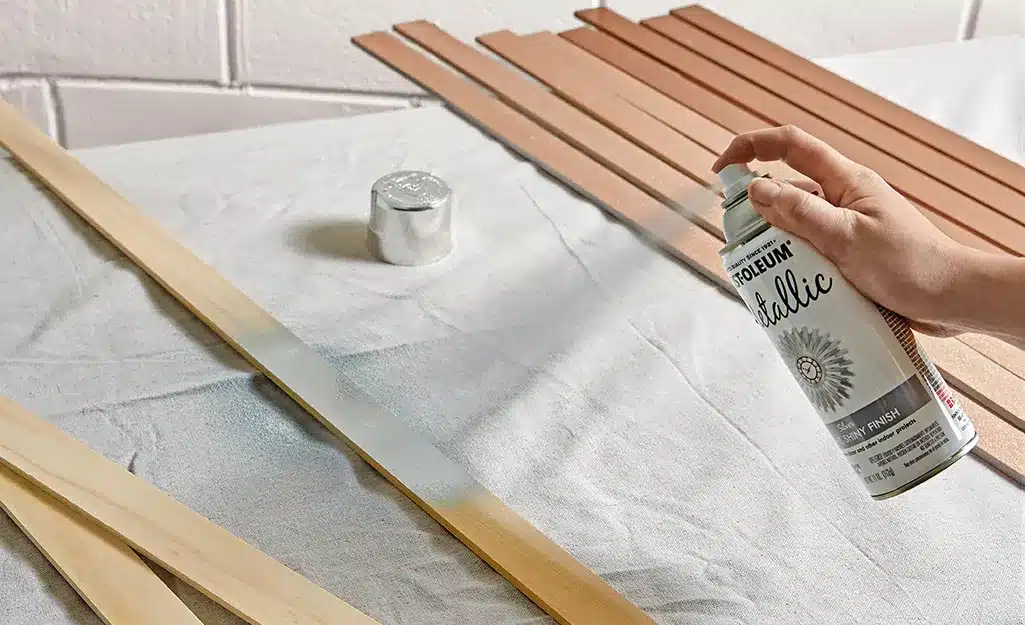
Some jobs work better with up and down motion. Others need side-to-side passes. Walls often need wide side passes. Chairs and doors need a slow up and down spray. A clear spray painting furniture and walls guide often suggests light coats for better control.
Safety Measures and Best Practices
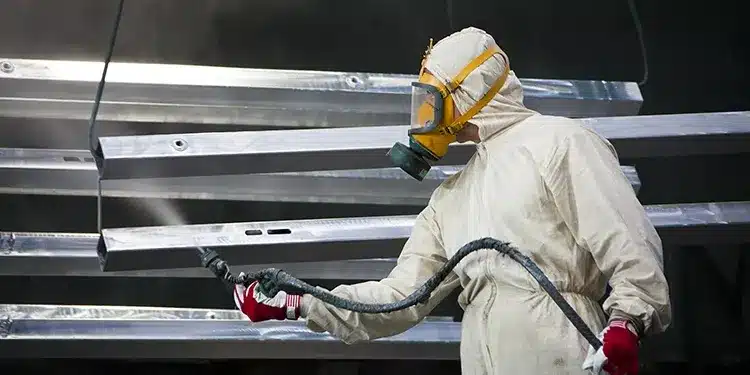
Spray paint creates a thin mist in the air. That mist can reach your lungs very fast. Many beginners ignore this part of the job. When you learn how to use a paint sprayer,including for areas like concealed storage solutions, you also need safe work habits. A few simple steps keep you safe during long paint work.

Masks, Gloves, and Fresh Air
Wear a mask before you start spraying. A basic paint mask helps block paint mist. Gloves also keep paint off your hands. Open windows when spraying inside a room. Fresh air helps move the paint mist away from you.
Safe Tool Handling
Keep a firm hold on the sprayer during each pass. Point the spray tip away from your body. Turn the sprayer off before cleaning or changing parts. These are smart tips for using a paint sprayer efficiently. Safe habits keep the job calm and under control.
Common Mistakes and How to Avoid Them
Many beginners face issues during the first spray job. Drips and patchy coats happen often. These problems usually come from rushed work or poor control. Learning paint sprayer techniques for beginners helps avoid these mistakes early.
Drips and Uneven Coats
Drips form when the sprayer stays too close. Slow heavy passes also cause thick paint spots. Keep the gun at a steady gap from the surface. Move the arm in one calm line. Light coats give better control.
Wrong Paint Mix or Nozzle
Some users think the paint is too much. Thin paint spreads too fast and runs down. The wrong nozzle can also break the spray fan. A clear spray painting furniture and walls guide often suggests test sprays first.
Cleaning and Care Mistakes
Many people stop work and leave paint in the sprayer. Dry paint can clog the tip and hose. Always rinse the sprayer after use. Clean tools last longer and spray better next time.
Cleaning and Maintaining Your Paint Sprayer
Clean the sprayer soon after the job ends. Wet paint is easy to wash out. Dry paint turns hard and blocks the tip. Many people skip this step and regret it later. If you want to learn how to use a paint sprayer well, then treat cleaning as part of the job.
Flush and Store the Sprayer
Take off the tip and filter with care. Run clean water through the gun until the flow looks clear. This habit supports tips for using a paint sprayer efficiently. Dry the parts with a soft cloth. Store the sprayer in a dry, safe place. Check the tip before the next job. Clean tools spray better and last longer.
Advanced Tips for Professional Finishes
Clean prep and calm spray motion help most jobs look better. Even simple steps can raise the final finish. Many painters learn these habits with time and practice. These ideas also support paint sprayer techniques for beginners. They help you reach smoother coats and steady results. A clear spray painting furniture and walls guide often shares these work habits.
• Apply thin layers and let each coat dry fully
• Move the sprayer in calm, steady passes
• Keep the same gap from the surface
• Blend light color coats for soft tone change
• Use slow passes on rough or uneven areas
• Test spray on scrap wood before real work
• Sand light between coats for a smooth feel
Project Planning and Time Management
Good planning saves time on any paint job. Many users rush and run out of paint mid-job. Measure the wall or surface before you begin. This habit helps when learning how to use a paint sprayer on larger spaces. It also reduces waste and stops long delays during work.
Work Order and Dry Time
Start with large flat areas first. Finish trim and small parts later. This order keeps the spray flow smooth. It also avoids fresh paint damage. Many pros follow tips for using a paint sprayer efficiently by planning drying time. Let each coat dry before the next pass. Good timing keeps the finish clean and even.
Troubleshooting Common Problems
Spray tools sometimes act up during a job. The spray fan may look uneven. Paint may spit or stop mid-pass. These issues confuse many new users. Learning how to use a paint sprayer also means knowing how to spot problems early.
Uneven Spray or Clog Issues
An uneven fan often means a dirty spray tip. Dry paint can block the small hole. The spray may shift to one side. This happens often with new users learning paint sprayer techniques for beginners.
Paint Mix Problems
Paint that feels too thick moves slowly through the gun. This can cause weak spray flow. Very thin paint may run down the wall. Check the paint mix before each job.
Simple Fixes and Care
Stop spraying if the fan looks strange. Clean the tip with warm water. Check the filter for paint buildup. Test the spray on scrap wood again. Small checks like this keep the job smooth.
Conclusion
Learning how to use a paint sprayer starts with good prep and calm spray control. This guide shared simple steps that help new users avoid common spray problems. You saw how the setup, paint choice, and steady hand motion shape the final coat. These ideas help build strong paint sprayer techniques for beginners.
The results matter for both home and pro jobs. Smooth spray coats save time and reduce paint waste. They also help surfaces look clean and even. As more people handle home paint work, these skills grow in value. Anyone who learns how to use a paint sprayer well with guidance from Evers Painting can finish walls, furniture, and trim with better speed and control.
FAQ
Many beginners start with an HVLP sprayer. This tool gives a soft spray and easy control. It helps new users learn how to use a paint sprayer without heavy paint flow. The finish often looks smooth on small home projects.
Drips form when the sprayer stays too close. Move your arm in calm, steady passes. Keep the same gap from the wall. These small habits support strong paint sprayer techniques for beginners.
Clean the sprayer right after each paint job. Wet paint washes out fast. Dry paint can block the tip and hose.
Some paints feel thick and may need light thinning. Always read the paint label first. Test spray on scrap wood before real work.
Use a paint mask, gloves, and good air flow. These steps help protect your lungs and skin from paint mist.