
The sun can damage paint faster than many people expect. Walls may fade, crack or lose strength over time. This is why choosing the best exterior paint for sun exposure matters for long-term results. A homeowner once painted a front wall that faced direct sunlight. Within months, the color looked dull and uneven.
Now let’s see why proper paint choice makes a big difference. Strong coatings help reduce heat impact and color loss. UV-resistant paint for hot climates supports better surface life. Many people now look for long-lasting exterior paint for sunny areas. This guide will help you choose paint that lasts and protects.
Why Choosing the Best Exterior Paint for Sun Exposure Matters
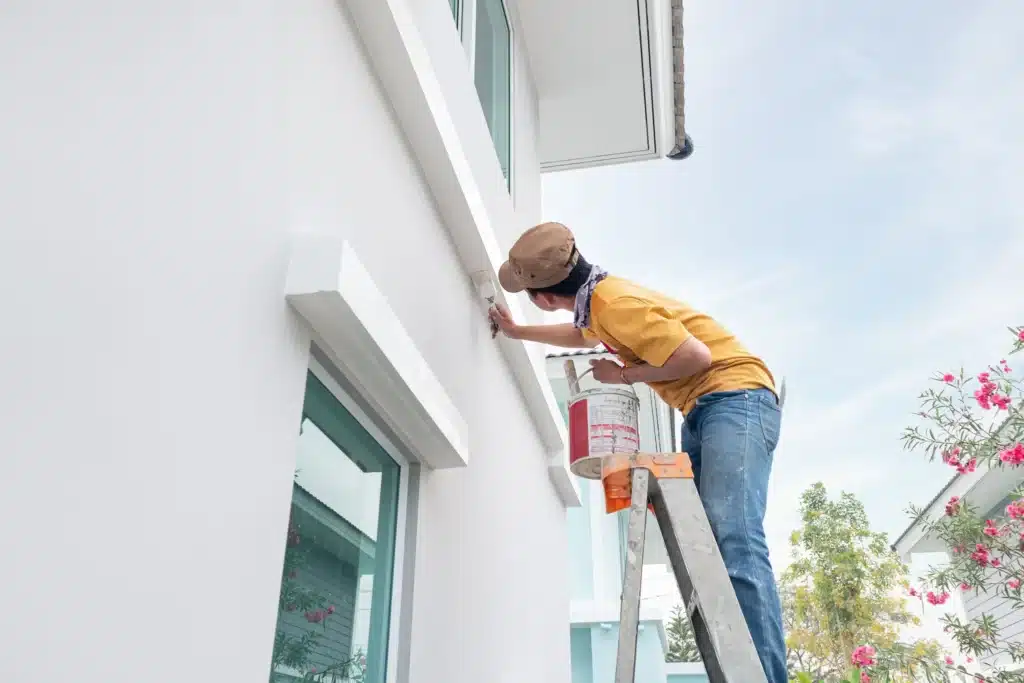
Strong sunlight can quietly damage walls day after day. Many homeowners notice fading or rough surfaces too late. Choosing the best exterior paint for sun exposure helps protect color and strength early. A homeowner once painted a south-facing wall with basic paint. Within one summer, the surface looked dull and uneven. This shows how harsh the sun is on exterior paint damage over time.
Good coatings help reduce fading and keep surfaces stable longer. UV-resistant paint for hot climates supports better protection in sunny areas. Many now prefer long-lasting exterior paint for sunny areas to avoid repeat work. This simple choice can save repair costs and keep walls looking fresh.
Understanding Sun Damage on Exterior Walls
Sunlight affects exterior walls more than most people expect. Heat and light slowly weaken the paint surface each day. Choosing the best exterior paint for sun exposure helps reduce this damage. A homeowner once noticed fading on one side of the house only. That wall faced direct sun all day and showed early wear, which is why techniques like smart trim painting can help improve protection and durability.
How UV Rays Affect Paint Layers
UV rays break down paint color over time. Pigments lose strength and start to fade slowly. This leads to a dull and chalky surface. A user saw white dust on the walls after long sun exposure. Sun-resistant paint helps reduce this effect and keeps the color stable longer.
Heat Expansion and Surface Cracking
High heat causes paint to expand during the day. It contracts again when temperatures drop at night. This cycle weakens the surface and leads to cracks. Heat-resistant exterior paint helps manage these changes. One homeowner noticed fewer cracks after switching to better paint for hot conditions.
What Makes an Exterior Paint UV Resistant and Durable
Paint needs strong parts to handle the sun and heat each day. UV-resistant paint uses special agents that block harmful light. These help slow color loss and surface wear. A homeowner once chose a better formula and saw less fading after one summer. Good binders also hold layers together and improve long-term strength.
Pigment quality also plays a big role in lasting color. Stable pigments resist fading and keep walls looking fresh longer. Weather-resistant exterior paint adds a protective layer against heat and rain. One user noticed fewer cracks after switching to the best exterior paint for sun exposure. These features help improve durability and reduce repair needs.
Key Benefits of Using Sun-Resistant Exterior Paint
Strong sunlight can wear down paint faster than expected. Many homeowners face fading and dull walls within a short time. Using the best exterior paint for sun exposure helps protect color and surface strength. A homeowner once repainted with a better option and saw longer-lasting results. This shows how the right paint choice improves durability and reduces stress.
- Longer wall color retention
Sun-resistant paint helps keep the color bright for a longer time. It slows down fading caused by strong sunlight. A user noticed less color loss after switching to fade-resistant paint. - Reduced repainting frequency
Durable paint lasts longer and needs fewer touch-ups. This saves time and effort over the years. One homeowner reduced repaint cycles after using better-quality paint. - Better protection against harsh climates
Good coatings handle heat, rain, and dust more effectively. They protect walls from daily weather stress. A user saw fewer cracks after applying strong exterior paint. - Improved home exterior appearance
Fresh color and smooth finish improve the overall look. Walls stay clean and even for a longer period. This helps maintain curb appeal with less effort. - Increased property value
Well-kept walls make a home look more appealing to buyers. Good paint condition adds to the property’s worth. One owner shared how fresh paint improved the sale value.
Step-by-Step Guide to Choosing the Best Exterior Paint for Sun Exposure
Picking the right paint needs a clear plan. Many people choose quickly and face fading later. The best exterior paint for extreme sun exposure depends on climate and surface needs. A homeowner once tested a small wall first and avoided a poor choice. Following simple steps helps you pick paint that lasts longer, along with proper maintenance like easy deck care for extended surface durability.
Step 1: Identify Climate Conditions
Start by checking your local weather pattern. Hot, dry, or mixed climates affect paint life in different ways. One user noticed faster fading on a wall facing the strong sun. This step helps match paint to real conditions.
Step 2: Check UV Protection Ratings
Read product details to understand the protection level. UV-resistant paint for hot climates helps reduce color loss. A homeowner chose a higher rating and saw better results after one season.
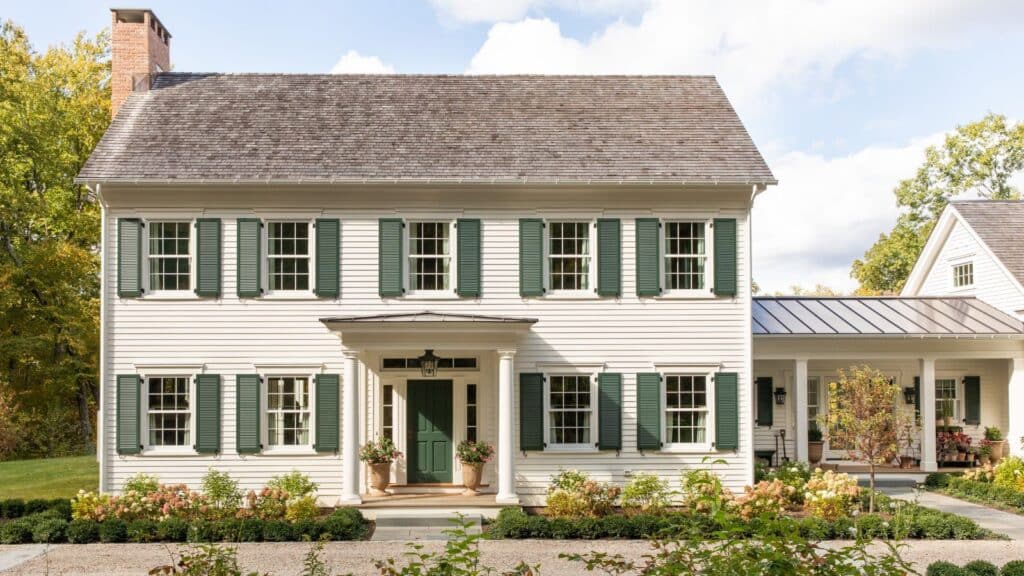
Step 3: Compare Heat-Resistant Options
Look for paint that handles high temperatures well. Strong coatings reduce surface stress during hot days. One user switched to better heat-resistant paint and saw fewer cracks.
Step 4: Test Small Surface Areas
Apply paint to a small area before full use. This shows how color and finish behave in sunlight. A homeowner tested a patch and changed the choice after seeing early fading.
Step 5: Select Weather-Resistant Finish
Choose a finish that handles sun, rain, and dust. Weather-resistant exterior paint protects walls over time. One user picked a durable finish and reduced repaint needs.
Heat-Resistant Exterior Paint for Hot Climates
Hot climates can wear down paint faster than expected. Strong heat causes surfaces to expand and weaken over time. Heat-resistant exterior paint helps protect walls from this stress. A homeowner once used basic paint and saw early blistering on sunny walls. Switching to better paint reduced surface damage and improved durability.
This type of paint also helps reduce cracking and fading in extreme heat. Sun-resistant paint supports better performance in harsh weather. It works well for areas with long hours of sunlight. One user noticed fewer repairs after choosing the best exterior paint for sun exposure. This helps maintain strong and lasting exterior surfaces.
Fade-Resistant Paint for Long-Lasting Color Protection
Strong sunlight can cause color to fade faster than expected. Walls may lose brightness and look uneven over time. Fade-resistant paint helps slow this process and keep color stable. A homeowner once repainted a sunny wall with better paint and saw longer-lasting color. This shows how the right choice protects surface appearance.
Good paint uses stable pigments that hold color under sunlight. Exterior paint that does not fade in sunlight works well for exposed areas. It helps prevent dull patches and uneven tones. One user noticed fewer color changes after switching to the best exterior paint for sun exposure, similar to benefits achieved through proper fence coating methods for long-term surface protection.
Weather-Resistant Exterior Paint for All Seasons
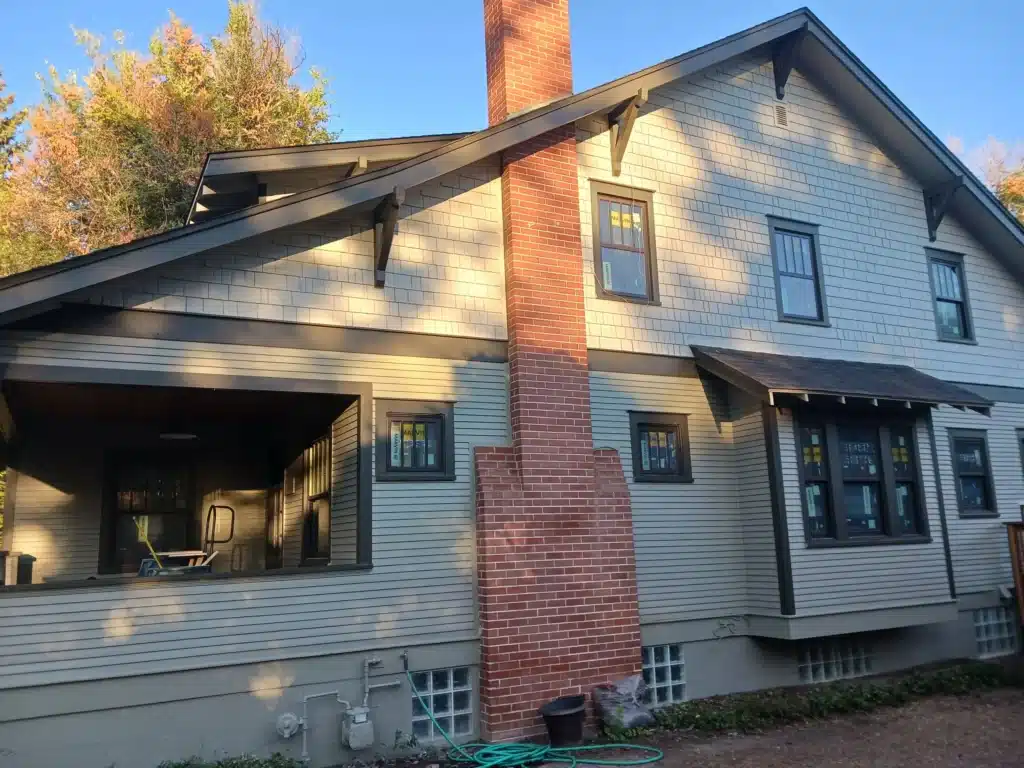
Walls face rain, heat, and cold throughout the year. Paint must handle these changes without damage. Weather-resistant exterior paint helps protect surfaces in all seasons. A homeowner once used basic paint and saw peeling after heavy rain. After switching to a stronger option, the wall stayed stable and smooth.
Good coatings also handle temperature shifts during the day and night. UV-resistant paint adds extra support against sunlight and fading. This helps keep paint strong in mixed weather. One user noticed fewer cracks after choosing the best exterior paint for sun exposure. Strong adhesion helps paint stay in place and last longer.
Best Exterior Paint for Extreme Sun Exposure Areas
Some areas face strong sunlight for many hours each day. Basic paint often fails fast in such conditions. Best exterior paint for extreme sun exposure uses stronger formulas that handle heat and light better. A homeowner once repainted a south wall with heavy-duty paint and saw less fading. This shows how strong coatings improve long-term surface life.
These paints use durable layers that resist heat and color loss. Sun-resistant paint helps keep the surface stable in harsh weather. Fade-resistant paint also supports long-lasting color on exposed walls. One user applied it to a terrace wall and noticed fewer changes after one season. This makes it ideal for open outdoor areas.
Common Mistakes When Choosing Exterior Paint
Many paint jobs fail due to simple mistakes during selection. People often rush the choice and face fading or cracks later. Picking the best exterior paint for sun exposure needs careful steps. A homeowner once chose low-cost paint and saw early damage. Avoiding these mistakes helps protect walls and improve long-term results.
- Ignoring climate conditions
Paint must match local weather and sun exposure. UV-resistant paint for hot climates works better in sunny areas. One user faced early fading after ignoring climate needs. - Choosing cheap, low-quality paint
Low-cost paint may not handle heat and rain well. It can fade and crack quickly. A homeowner replaced the paint sooner than expected due to a poor quality choice. - Skipping primer application
Primer helps paint stick and last longer. Without it, the surface may weaken early. One user skipped the primer and saw peeling after a short time. - Not checking UV ratings
UV protection level affects color life and durability. Weather-resistant exterior paint with better ratings lasts longer. A user saw better results after checking this detail. - Poor surface preparation
Dirty or uneven walls reduce paint bonding strength. Cleaning and smoothing help improve results. One homeowner prepared the wall well and avoided repeat issues.
Application Tips for Long-Lasting Exterior Paint Results
Good results depend on how the paint is applied, not just the product used. Many people skip basic steps and face early wear. Using the best exterior paint for sun exposure works better with the proper method. A homeowner once repainted after following simple steps and saw longer-lasting results, similar to improvements achieved through a well-planned siding home transform.
Proper wall cleaning before painting
Clean walls remove dust and old residue before painting. This helps paint stick better and last longer. One user cleaned the surface well and saw smoother results.
Importance of primer coat
Primer creates a strong base for the paint layer. It improves bonding and reduces early damage. A homeowner used primer and avoided peeling later.

Applying multiple thin layers
Thin coats dry better and reduce stress on the surface. Thick layers can crack over time. One user applied layers slowly and saw a stronger finish.
Avoiding extreme weather during painting
Heat and rain affect drying and bonding. Painting in mild weather gives better results. A homeowner waited for cooler days and saw an improved finish.
Using professional tools
Good tools help apply paint evenly and smoothly. They improve coverage and reduce waste. One user used better tools and noticed a cleaner finish.
Final Thoughts
Choosing the right paint makes a big difference in long-term results. The best exterior paint for sun exposure helps protect walls from heat and fading. A homeowner once picked better paint for a sunny wall and avoided early damage. This shows how climate-based choice improves durability and reduces repeat work.
Good coatings also help lower future repair and repaint costs. UV and heat-resistant layers keep surfaces strong over time. One user noticed fewer cracks after using sun-resistant paint on exposed areas. This approach supports better protection and a steady appearance. Choosing wisely helps homeowners save money and keep walls in good condition, with trusted solutions available through Evers Painting.
FAQS
The best exterior paint for extreme sun exposure uses strong binders and stable pigments. It resists fading and cracking on walls facing direct sunlight for long hours.
UV-resistant paint for hot climates should handle heat and strong light. Choose products with high ratings that protect color and surface strength in sunny areas.
Heat-resistant exterior paint reduces surface stress during high temperatures. It limits expansion and helps prevent cracks. This keeps walls stable during hot weather conditions.
Fade-resistant paint uses strong pigments that hold color under sunlight. It slows color loss and keeps walls looking fresh for a longer time.
UV-resistant paint for hot climates should handle heat and strong light. Choose products with high ratings that protect color and surface strength in sunny areas.