
Small cracks on outer walls can grow into serious problems over time. Heat, rain, and daily wear slowly weaken painted surfaces. Exterior paint cracking often signals early surface failure that needs quick care. A homeowner once ignored thin lines near the roof edge. After months, the paint began to peel, and the wall felt damp.
You might notice how moisture slips into these tiny gaps. This leads to deeper exterior paint damage and weak wall layers. Cracked exterior paint also affects how your home looks from the outside. One seller shared how buyers noticed peeling spots right away. Early repair helps avoid costly fixes and keeps your home strong.
Why Exterior Paint Cracking Should Never Be Ignored
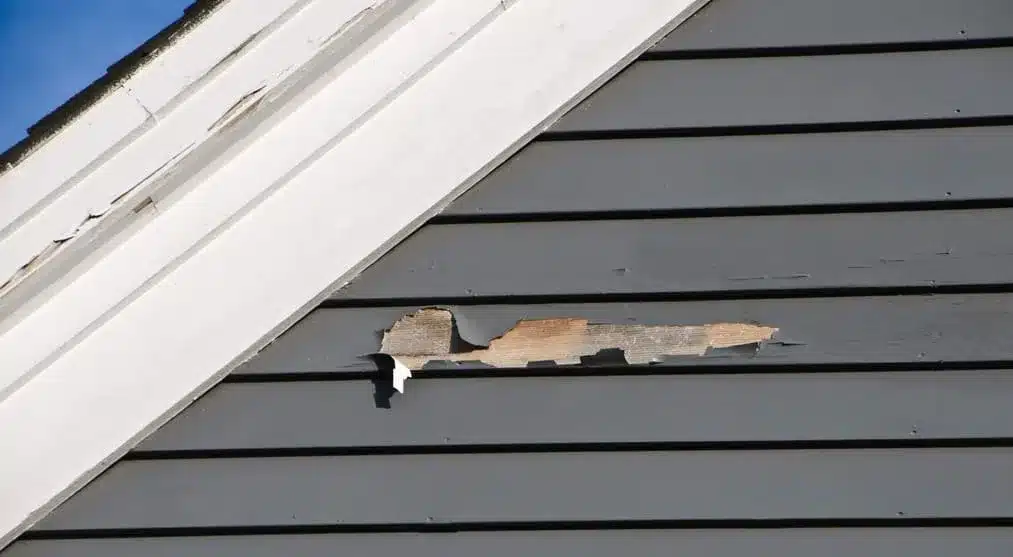
Small cracks on outside walls may seem harmless at first glance. Many homeowners ignore them until bigger issues appear later. Exterior paint cracking often shows early surface damage that needs attention. A homeowner once noticed fine lines near windows but delayed repair. Within months, the surface worsened and needed more work. These early signs should not be ignored.
Cracks allow moisture to enter and affect the wall structure slowly. This can lead to deeper exterior paint damage over time. A small gap can grow into wide, cracked exterior paint areas if left untreated. One owner shared how a delayed repair lowered the home value during the sale. Fixing issues early helps avoid higher costs and protects the overall look.
What Is Exterior Paint Cracking and How Does It Develop
Paint protects walls, but it can weaken over time. Sun, rain, and dust slowly affect the outer layer. This leads to exterior paint cracking and visible wall paint cracks. A homeowner once noticed small lines after a hot season. Over time, those lines spread across the surface and needed repair, which is where techniques like smart trim painting can help improve durability and finish quality.
Understanding Paint Layer Failure
Paint loses strength as it ages and dries out. It becomes less flexible and starts to split. Heat and moisture speed up this process. One user shared how constant sun exposure caused early cracks on the front wall. This shows how outdoor conditions affect paint life and surface strength.
Difference Between Cracking, Peeling, and Flaking
Cracks appear as lines, while peeling shows paint lifting from the wall. Paint peeling outside the house often means more serious damage below the surface. Flaking looks like small chips falling off. A homeowner once fixed only peeling areas but missed cracks underneath. Correct diagnosis helps prevent bigger repair issues later.
Main Causes of Exterior Paint Cracking on Walls
Paint problems often start from small mistakes during prep or harsh weather. Many homeowners face this issue without knowing the reason. The causes of exterior paint cracking on walls vary based on the surface and environment. A homeowner once repainted quickly without prep and saw cracks within months. Knowing these causes helps prevent repeat damage.
Poor surface preparation before painting
Dirt or old paint left on walls weakens new layers. Paint does not stick well, and cracks appear early. One user skipped cleaning and faced house paint cracking soon after.
Use of low-quality paint products
Cheap paint dries fast and loses strength quickly. It cannot handle weather changes well. A homeowner used low-cost paint and saw early exterior paint damage.
Weather extremes: sun, rain, and humidity
Heat dries paint while rain adds moisture stress. This cycle weakens the surface over time. One wall facing direct sun showed cracks faster than the shaded areas.
Moisture trapped under paint layers
Water inside the walls pushes paint outward and creates cracks. This often happens after rain or leaks. A user noticed bubbles before cracks formed on the wall.
Aging and natural wear of the paint film
Paint weakens as it gets older and starts to break. This is a natural process over time. One home showed visible cracks after many years without repainting.
Why Exterior Paint Cracks After Painting
Fresh paint should last, but mistakes can cause early failure. Many people ask why exterior paint cracks after painting soon after a job. Small errors during work or bad weather timing can lead to this issue. A homeowner once painted in a rush and saw lines within weeks. Careful steps help avoid these problems, similar to maintaining surfaces with proper easy deck care for long-term durability.
Application Mistakes
The wrong thickness can cause stress in the paint layer. Thick coats dry unevenly and form lines later. Skipping the primer also weakens the bonding with the wall. This often leads to house paint cracking after a short time. One user applied one heavy coat without primer and saw cracks appear quickly.
Environmental Timing Issues
Weather plays a big role in paint performance. Extreme heat dries paint too fast and reduces its strength. Cold weather slows drying and affects bonding. Humidity traps moisture under layers and leads to exterior paint cracking. A homeowner painted before the rain and noticed surface damage soon after.
Types of Exterior Paint Cracks You Should Know
Not all cracks look the same on exterior walls. Each type shows a different level of damage. Knowing the type helps decide the right fix. Wall paint cracks can start small but grow if ignored. A homeowner once missed early signs and later faced major repair. Understanding these types helps avoid bigger problems.
Hairline surface cracks
These are thin lines that appear on the top layer. They often form due to aging paint or light stress. One user noticed fine lines near windows after a hot season. These cracks look small but need early repair to prevent spread.
Deep structural cracks
These cracks go deeper into the paint and wall surface. They often show serious issues below the paint. Cracked exterior paint in this form needs quick attention. A homeowner saw wide lines after water seepage and needed repair work.
Alligator cracking patterns
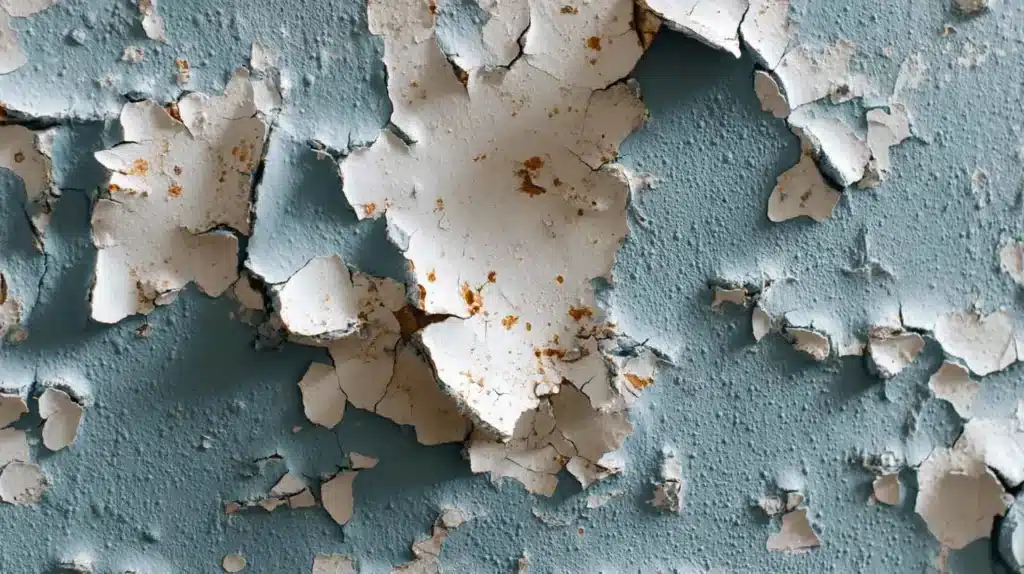
This pattern looks like scales on the wall surface. It forms when old paint layers fail under stress. Exterior paint damage becomes visible in this stage. One user saw this after applying new paint over old layers without prep.
Flaking and peeling stages
Paint starts to lift and fall off in these stages. This shows loss of bonding with the surface. A homeowner noticed peeling after heavy rain exposure. If ignored, this can expose walls and cause further damage.
How to Identify Early Signs of Exterior Paint Damage
Small changes on the walls often show early warning signs. Many people miss these until repair becomes costly. Exterior paint damage can start with light changes in color or texture. A homeowner once ignored dull spots and later faced wider issues. Spotting these signs early helps protect the wall and avoid major repairs, similar to how proper fence coating methods help maintain long-term surface protection.
- Fading and dull paint color
Sun and weather can fade paint over time. Walls lose their fresh look and appear uneven. One user noticed the front walls looked pale after a long summer. - Small surface lines forming
Fine lines appear before larger cracks develop. Cracked exterior paint often starts this way. A homeowner saw tiny lines near corners before they spread. - Bubbling under paint layers
Bubbles form when moisture gets trapped below the paint. These areas feel raised and weak. One user saw bubbles after rain exposure on the outer walls. - Peeling edges on walls
Paint peeling outside the house shows loss of bonding. Edges lift and begin to fall off. A homeowner noticed peeling near windows after moisture buildup. - Moisture marks on the exterior surface
Dark patches or stains show water impact on the walls. This weakens paint and leads to damage. One user saw marks after a leak near the roof.
Step-by-Step Guide to Fix Cracked Exterior House Paint
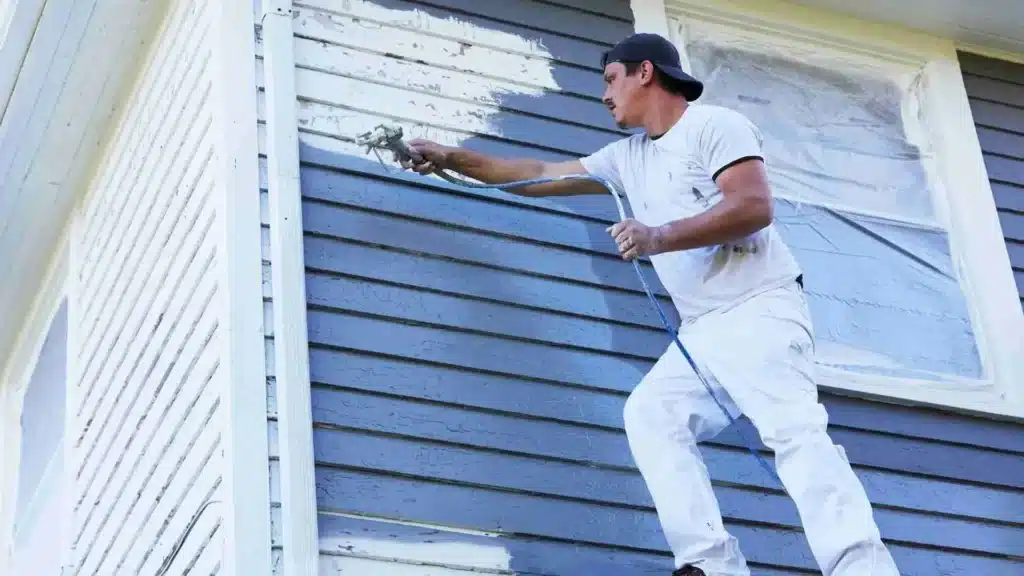
Fixing paint issues early can save time and cost later. Many homeowners delay repair and face bigger damage. How to fix cracked exterior house paint becomes easier with simple steps. A homeowner once repaired small cracks early and avoided a full repaint. Following the right method helps restore walls and improve long-term durability.
Step 1: Inspect the Damage Area
Check the wall closely to see how deep the cracks go. Look at how far they spread across the surface. Cracked exterior paint may look small, but it can hide deeper issues. One user marked damaged spots first to plan proper repair.
Step 2: Remove Loose Paint
Scrape off all weak and peeling layers before repainting. This helps the new paint stick better to the surface. One homeowner skipped this step and saw cracks return quickly. Removing loose paint is a key part of exterior paint cracking repair tips.
Step 3: Clean and Prepare Surface
Clean the wall to remove dust and dirt before painting. Make sure the surface is dry and smooth. Moisture can weaken new paint layers. A user waited for a dry day before cleaning and saw better results.
Step 4: Apply Primer
Primer helps paint stick well and last longer. It creates a strong base for the top layer. One homeowner used primer after cleaning and noticed fewer cracks later. This step supports better bonding and durability.
Step 5: Repaint with Quality Exterior Paint
Use good-quality paint for a smooth and even finish. Apply thin layers for better drying and strength. A user chose better paint and saw long-lasting results. This final step protects the wall and improves overall appearance.
Best Solutions for Peeling and Cracking Paint
Paint issues need the right fix to stop damage from spreading. Many people patch small areas and see the problem return. Best solutions for peeling and cracking paint focus on long-term protection. A homeowner once fixed only visible spots and faced repeat damage later. Proper methods help stop paint peeling outside the house and protect the walls.
Surface sealing techniques
Sealing the surface helps block moisture from entering the wall. This step strengthens the base before painting. A user applied sealant after cleaning and saw better results. It reduced future exterior paint damage and improved paint life, much like how proper siding home transform work enhances durability and overall finish quality.
Use of weather-resistant coatings
Strong coatings protect walls from sun, rain, and dust. These layers handle harsh weather and prevent early wear. One homeowner used weather-resistant paint and noticed fewer cracks after a hot season.
Professional repainting methods
Expert repainting ensures proper layers and a smooth finish. Professionals follow steps that improve bonding and durability. A user hired experts after a failed repair and saw long-lasting results.
Moisture barrier solutions
Moisture barriers stop water from reaching paint layers. This prevents bubbling and peeling over time. A homeowner fixed a leak and added a barrier to protect the wall surface.
Long-term protective finishes
Protective finishes add an extra layer for durability. They help maintain color and reduce surface damage. One user applied a finish coat and noticed better resistance to weather changes.
Exterior Paint Cracking Repair Tips for Long-Term Results
Long-lasting results need the right steps from start to finish. Many repairs fail due to poor prep or weak products. exterior paint cracking repair tips help protect walls for years. A homeowner once fixed cracks but skipped prep and saw them return. Careful work helps stop cracked exterior paint from coming back.
Use high-quality exterior paint products
Good paint lasts longer and handles weather better. Low-quality paint can lead to early exterior paint cracking. One user switched to Better Paint and saw fewer issues.
Proper wall preparation before painting
Clean and smooth walls help paint stick well. Dirt or old layers weaken bonding. A homeowner prepared the wall well and avoided repeat damage.
Regular maintenance checks
Checking walls helps catch small issues early. Fixing them on time prevents bigger repairs. One user spotted small cracks and fixed them before they spread.
Avoid painting in extreme weather
Heat, cold, and rain affect paint drying and strength. Painting in the right weather improves results. A homeowner waited for mild weather and saw a better finish.
Apply multiple protective layers
Thin layers give better strength than one thick coat. They help protect the wall surface. One user used a layered coating and improved durability.
How Weather Affects Exterior Paint Cracking
Weather plays a major role in a paint’s life on outside walls. Strong sun dries paint and makes it hard and brittle. Over time, this leads to exterior paint cracking on exposed areas. A homeowner once noticed front walls fading faster than shaded sides. This shows how sun exposure can speed up exterior paint damage, which is why professional work like elite exterior painting can help improve long-term protection.
Rain and humidity also affect paint layers in different ways. Water can seep into small gaps and weaken the surface. This may lead to house paint cracking as layers expand and shrink. A user shared how seasonal changes caused visible lines on walls. Temperature shifts make paint expand and contract, which adds stress over time.
Preventing Future Exterior Paint Cracks
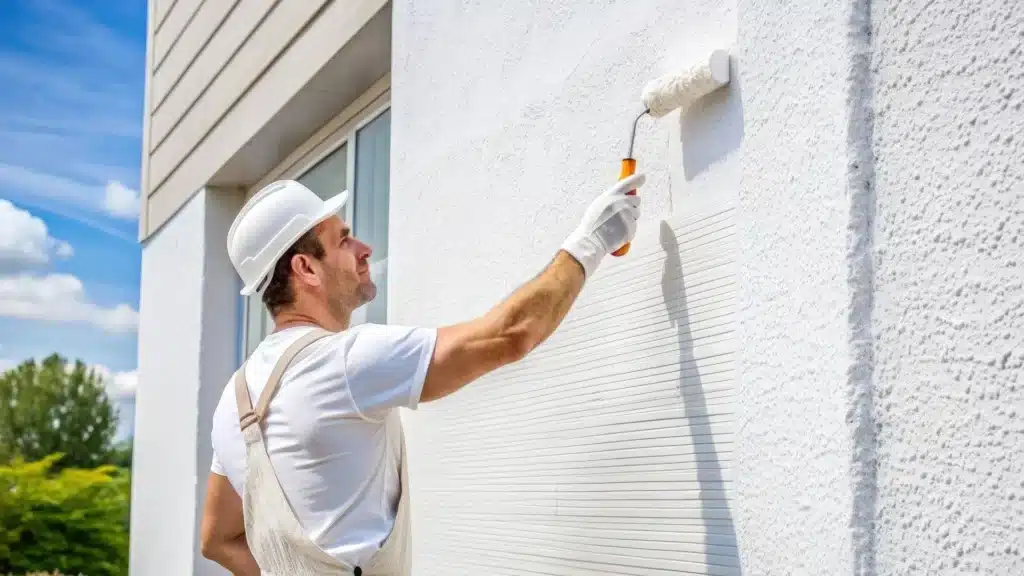
Good prep work helps stop future damage to outside walls. Priming creates a strong base before paint goes on. exterior paint cracking often starts when this step is skipped. A homeowner once used primer and saw better results after repainting. This simple step helps paint stay firm and last longer on the surface.
Regular checks also help catch small issues before they grow. Sealing early gaps prevents cracked exterior paint from spreading. Weather-resistant paint protects walls from rain and sun stress. One user fixed small gaps and avoided paint peeling outside the house later. Hiring skilled painters can also improve long-term results and reduce repeat repairs.
Final Thoughts
Small signs on walls should never be ignored for too long. exterior paint cracking often begins with light lines that grow over time. A homeowner once fixed early cracks and avoided major repair costs. Quick action helps protect the surface and keeps the wall strong. This simple habit can save both time and money later.
Regular care also protects the home from deeper structural issues. Cracked exterior paint can lead to moisture problems if left untreated. Early repair helps avoid paint peeling on the outside of the house and larger damage. One user followed a yearly check routine and kept walls in good shape. Prevention works better than repair and keeps your home looking fresh, especially when supported by trusted services like Evers Painting.
FAQS
The causes of exterior paint cracking on walls include poor prep, low-quality paint, moisture, and harsh weather. These factors weaken layers and lead to visible surface lines.
Clean scrape and prime the area before repainting. This process helps how to fix cracked exterior house paint and prevents future exterior paint damage from returning.
Why exterior paint cracks after painting often links to thick coats, no primer, or bad weather timing. These issues cause house paint to crack soon after application.
The best solutions for peeling and cracking paint include sealing surfaces using quality paint and fixing moisture issues. This helps stop paint peeling on the outside of the house.
Exterior paint cracking repair tips include proper cleaning, using primer, applying thin coats, and choosing good paint. These steps help beginners avoid repeat cracking issues.